
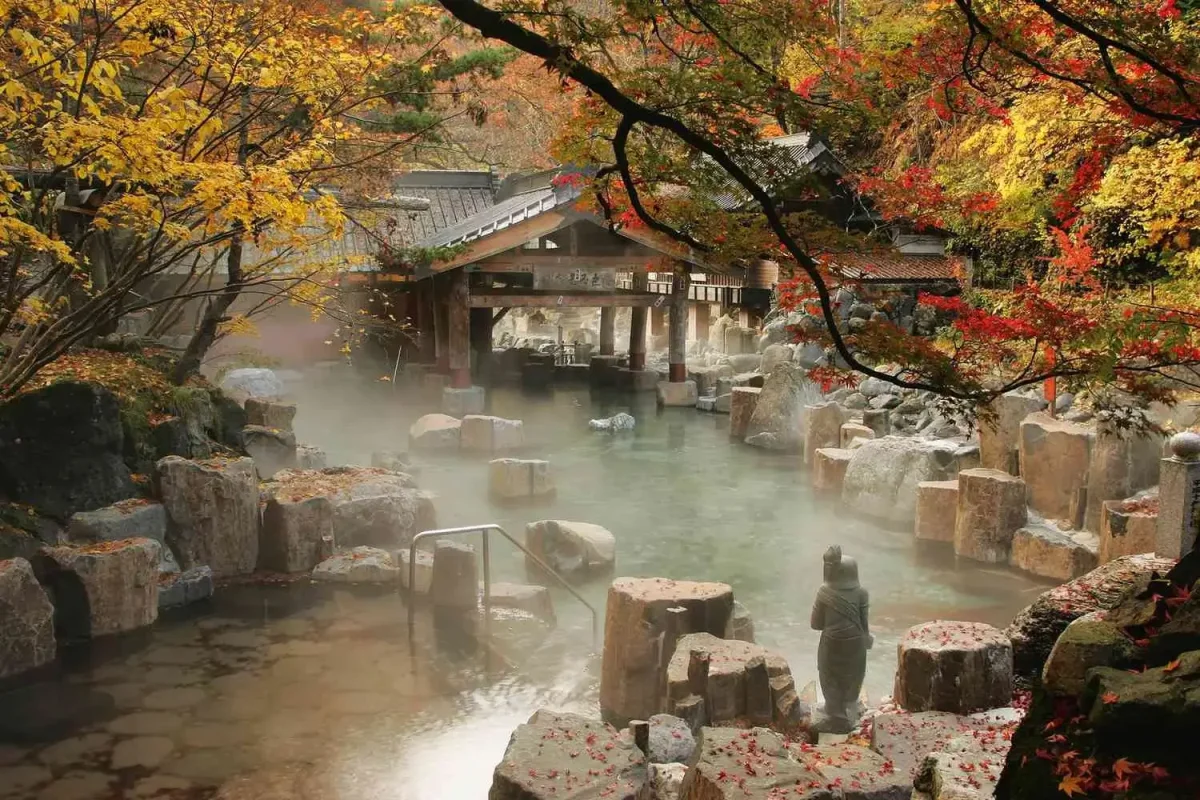
Steam rises slowly into the cool mountain air as you step into a pool of naturally heated mineral water. Snow falls gently around you, pine trees sway in the distance, and the quiet sound of flowing water creates a peaceful rhythm. This is the magical experience of visiting a Japanese onsen, one of Japan’s most cherished cultural traditions.
For centuries, locals and travelers alike have visited Japan’s hot springs to relax, heal, and reconnect with nature. With more than 25,000 natural hot spring sources and over 3,000 onsen resorts across the country, Japan is one of the world’s top destinations for thermal bathing experiences.
Whether you're traveling through Tokyo, Kyoto, or the mountains of Hakone, visiting an authentic Japanese onsen offers a unique cultural experience that every tourist should try at least once.
What is a Japanese Onsen?
An onsen is a natural hot spring bath heated by geothermal activity beneath Japan’s volcanic landscape.
Japan sits along the Pacific Ring of Fire, which creates thousands of mineral-rich hot springs across the country.
To legally qualify as an onsen in Japan, the water must contain at least one of 19 specific minerals and have a temperature of 25°C (77°F) or higher at the source.
Key Onsen Facts
- Japan has over 25,000 natural hot springs
- There are more than 3,000 onsen resorts nationwide
- Water temperatures typically range from 37°C to 42°C (98°F–108°F)
- Onsen bathing culture dates back over 1,000 years
Source: Japan National Tourism Organization (JNTO)
Why Onsens Are So Popular in Japan
Hot springs are not just for relaxation—they are deeply embedded in Japanese wellness culture.
People visit onsens for:
- Stress relief
- Muscle relaxation
- Skin improvement
- Improved circulation
- Traditional cultural experiences
According to the Japan Tourism Agency, visiting hot springs is consistently ranked among the top three cultural experiences tourists want to try in Japan.
Best Onsen Destinations in Japan
1. Hakone Onsen
Located just 90 minutes from Tokyo, Hakone is one of the most famous hot spring destinations in Japan.
Highlights:
- Stunning Mount Fuji views
- Luxury ryokan (traditional inns)
- Outdoor baths called rotenburo
Hakone has 17 different hot spring sources, each with unique mineral properties.
2. Beppu Onsen
Beppu, located in Kyushu, is considered Japan’s hot spring capital.
Facts about Beppu:
- Produces the largest volume of hot spring water in Japan
- Has over 2,800 hot spring vents
- Famous for the colorful “Hells of Beppu” geothermal pools
3. Kusatsu Onsen
Kusatsu is one of the most traditional and historic onsen towns in Japan.
Features:
- Extremely highly acidic healing waters
- Famous Yubatake hot water field
- Traditional Yumomi water-cooling performance
Kusatsu’s hot springs release about 32,000 liters of water per minute, making it one of the most powerful sources in Japan.
4. Noboribetsu Onsen
Located in Hokkaido, Noboribetsu offers dramatic volcanic landscapes.
Known for:
- Hell Valley (Jigokudani)
- Multiple mineral types
- Outdoor winter baths surrounded by snow
Onsen Etiquette: Rules Every Tourist Must Know
Japanese hot spring culture follows strict etiquette. Understanding these rules will help you enjoy the experience respectfully.
1. Wash Before Entering
Visitors must thoroughly wash their bodies at the shower stations before entering the hot spring bath.
2. No Swimsuits Allowed
Most onsens require full nudity, which is completely normal in Japanese bathing culture.
3. Tattoos May Be Restricted
Some traditional onsens restrict tattoos due to historical associations with organized crime.
However, many modern facilities now allow:
- Tattoo covers
- Small tattoos
- Foreign tourists with tattoos
4. Keep Towels Out of the Water
Small towels are used for modesty but should not touch the bath water.
Types of Onsens You Can Experience
Indoor Onsens (Uchiburo)
These are traditional indoor hot spring baths usually found in hotels or public bathhouses.
Benefits:
- Accessible year-round
- Controlled temperature
- Ideal for beginners
Outdoor Onsens (Rotenburo)
Outdoor baths surrounded by nature offer one of the most memorable experiences in Japan.
You might soak while viewing:
- Snow-covered mountains
- Cherry blossoms
- Forest landscapes
Rotenburo baths are considered the most scenic onsen experience.
Ryokan Onsens
Many traditional Japanese inns (ryokan) feature private hot springs exclusively for guests.
Typical ryokan stay includes:
- Onsen bathing
- Multi-course kaiseki dinner
- Tatami room accommodation
This combination creates one of the most authentic Japanese cultural experiences.
Health Benefits of Onsen Bathing
Japanese hot springs contain minerals such as:
- Sulfur
- Iron
- Magnesium
- Sodium bicarbonate
These minerals are believed to help with:
- Arthritis
- Muscle pain
- Skin conditions
- Circulation problems
According to the Japanese Society of Balneology, regular hot spring bathing may help improve blood circulation and relaxation.
Best Time to Visit Japanese Onsens
You can visit onsens year-round, but some seasons offer unique experiences.
Winter (December – February)
The most magical time to visit.
Highlights:
- Snow-covered outdoor baths
- Steam rising in cold air
- Cozy mountain ryokan stays
Spring (March – April)
Perfect for cherry blossom viewing and hot spring relaxation.
Autumn (October – November)
Beautiful red and golden fall foliage surrounds many mountain onsens.
Tips for First-Time Onsen Visitors
To make the most of your hot spring experience:
? Drink water before and after bathing
? Start with short baths (10–15 minutes)
? Avoid bathing immediately after alcohol
? Tie up long hair
? Relax and enjoy the peaceful atmosphere
Final Thoughts
Visiting a Japanese onsen is more than just bathing—it's a cultural ritual that blends relaxation, nature, and tradition. From the volcanic landscapes of Beppu to the serene mountain baths of Hakone, hot springs offer travelers a chance to slow down and experience Japan in its most peaceful form.
Whether you’re soaking under falling snow, watching cherry blossoms drift by, or simply enjoying the warmth of mineral-rich water, the onsen experience in Japan is unforgettable.
For travelers seeking relaxation, wellness, and cultural immersion, visiting an onsen is truly one of the best things to do in Japan.
Comments 0